IELTS Writing Task 1
In Academic Task 1 you get a chart, table, diagram or map and 20 minutes to describe it in at least 150 words. The instruction never changes: Summarise the information by selecting and reporting the main features, and make comparisons where relevant.
The six question types
Each one needs a different overview, different grammar and different vocabulary. Pick the type you struggle with.
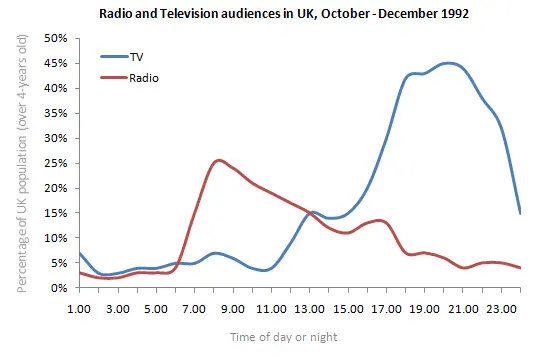
Line Graphs
Change over time. The most common Task 1 question, and the one that most rewards describing trends instead of listing numbers.
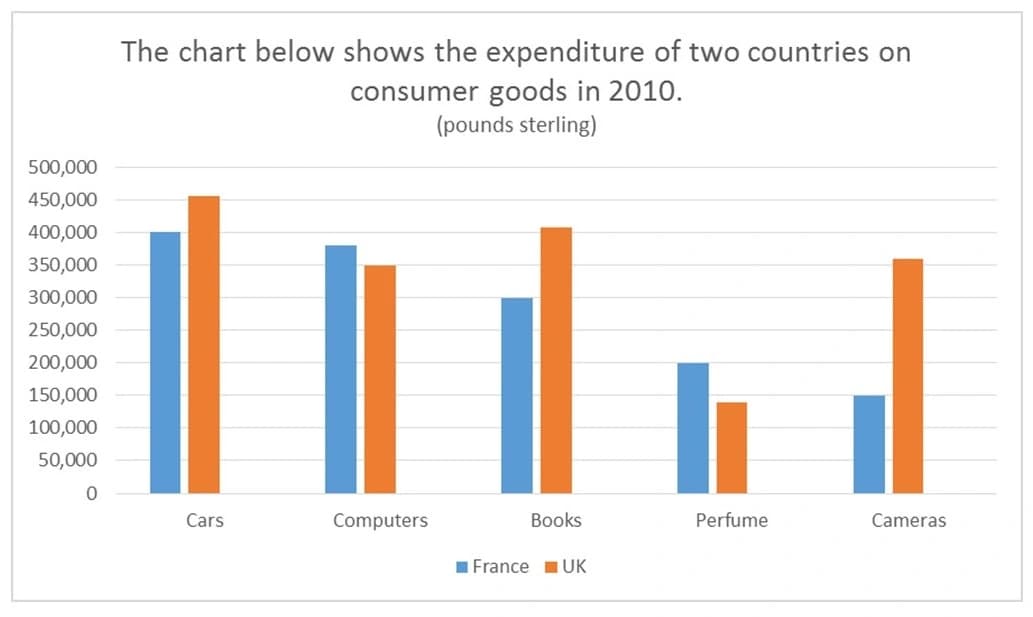
Bar Charts
Comparison across categories. The trap is that a bar chart can be about categories, about time, or about both.
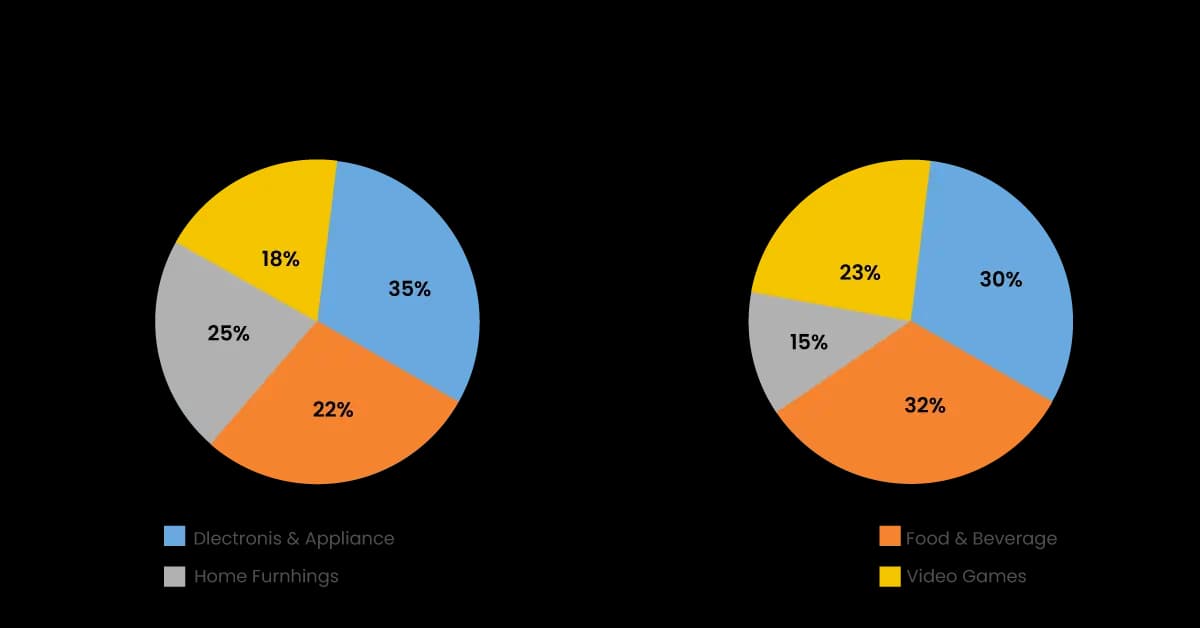
Pie Charts
Proportion of a whole. Marks come from handling percentages precisely and from comparing pies rather than describing each one in turn.
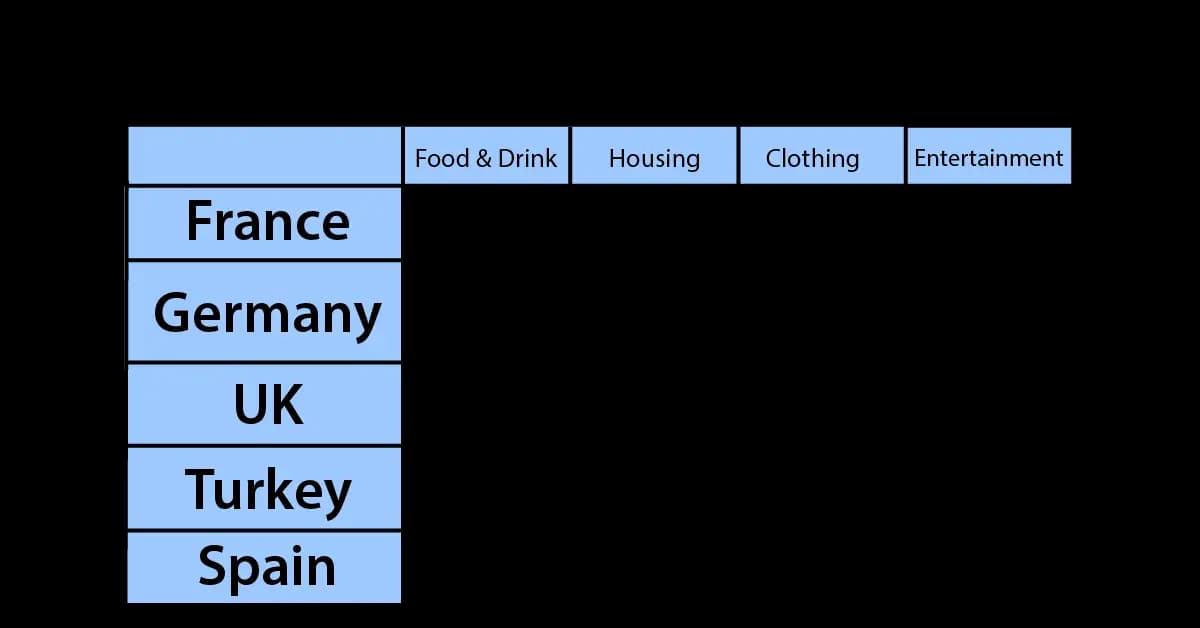
Tables
Raw data in rows and columns. The whole test is selection — you are given far more than you can use.
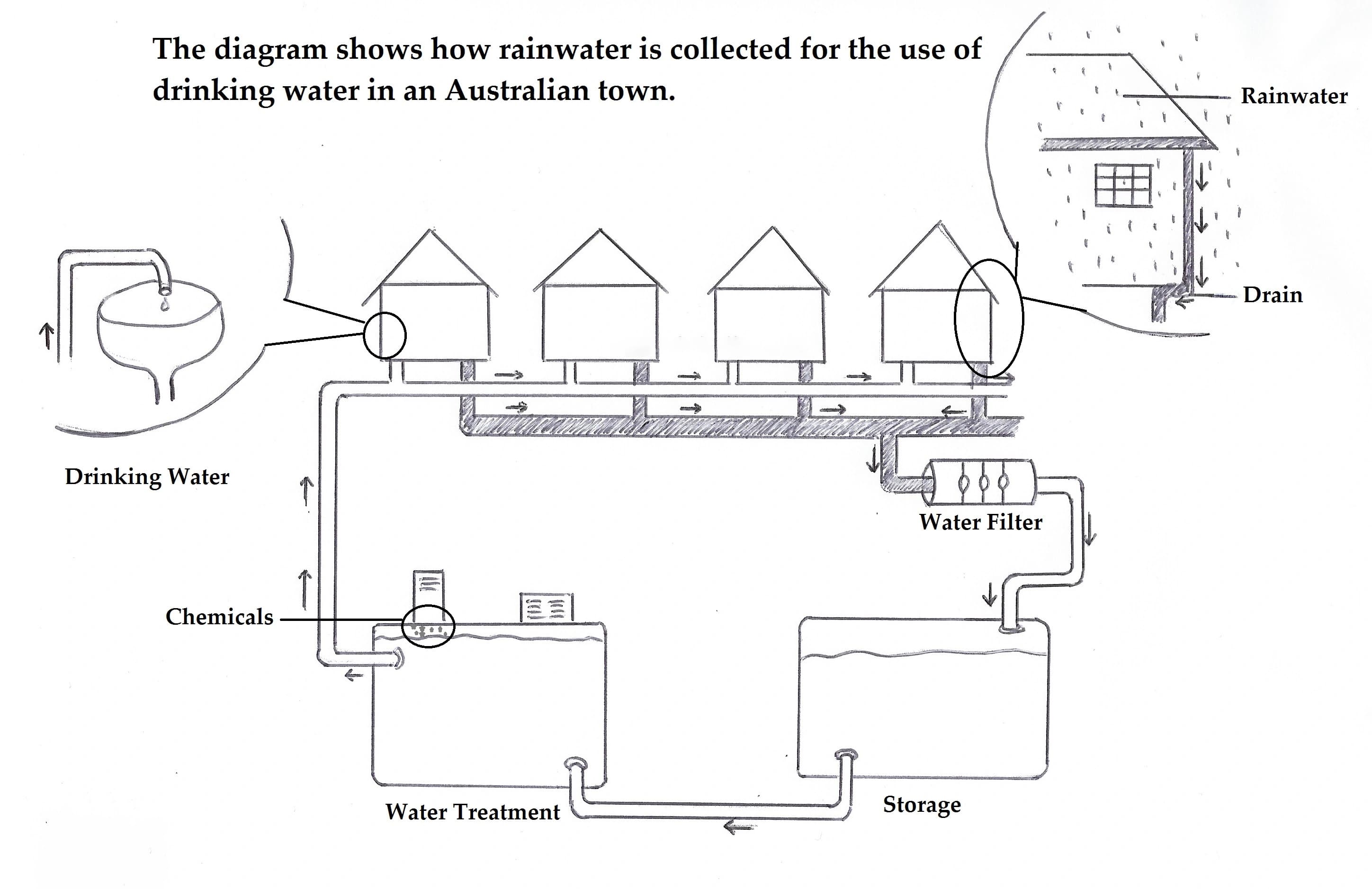
Process Diagrams
Man-made processes and natural cycles. No numbers at all — the difficulty is grammatical, not statistical.
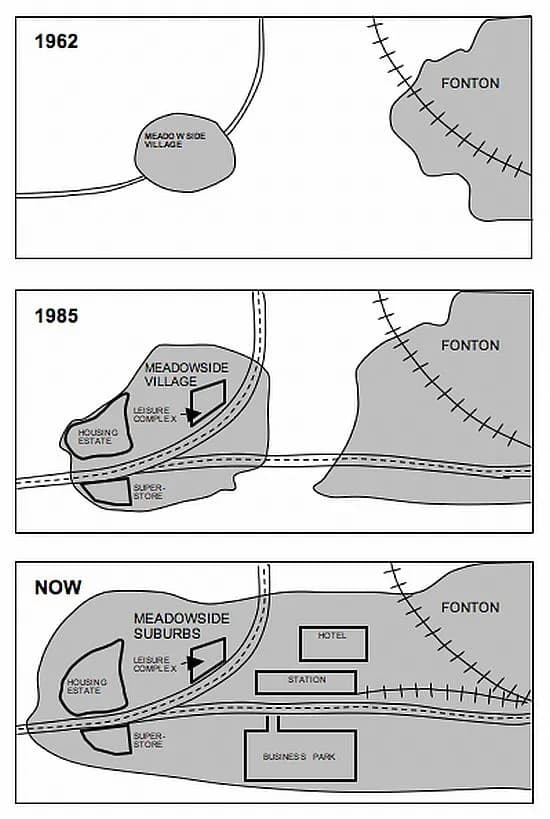
Maps
Two or more maps of the same place. The question is what changed, not what is where.
The structure that works for every type
Four paragraphs. The question type changes what goes inside them, not the shape.
- 1
Introduction
One sentence paraphrasing the prompt. Never copy it — copied wording is not counted toward your 150 words.
- 2
Overview
Two sentences on the main features, with no data. This is the single highest-value paragraph in Task 1.
- 3
Body 1
The most significant group of data, with figures to support it.
- 4
Body 2
The remaining data, plus any exception or crossover worth noting.
How Task 1 is marked
Four criteria, each worth 25%. A weakness in any one of them caps the whole score, which is why a fluent answer with no overview still fails to reach band 6.
- Task Achievement
- Did you cover the main features, include an overview and report accurately? An answer with no overview is capped here.
- Coherence and Cohesion
- Paragraphing and logical grouping. Task 1 rewards grouping data sensibly far more than it rewards linking words.
- Lexical Resource
- Range and precision, including the paraphrase in your introduction and the vocabulary specific to your question type.
- Grammatical Range and Accuracy
- Sentence variety and error-free sentences. Process and map questions lean heavily on the passive voice.
Your Task 1 and Task 2 bands are then combined, with Task 2 counting double. You can work out the effect on your overall band with the calculator.
Frequently asked questions
- How long should IELTS Writing Task 1 be?
- At least 150 words, written in about 20 minutes. There is no upper limit, but answers much beyond 200 words usually cost you time on Task 2, which is worth twice as much.
- Is Task 1 worth less than Task 2?
- Yes. Task 2 carries roughly twice the weight of Task 1 in your Writing band, so if you are short of time, protect Task 2.
- Do I need an overview in Task 1?
- Yes, and it is the most important sentence you write. An answer without a clear overview cannot score above band 5 for Task Achievement no matter how accurate the rest of it is.
- Should I include my own opinion in Task 1?
- No. Academic Task 1 reports what the visual shows. Do not explain why a trend happened, speculate about causes or say whether it is a good thing.
- What is the difference between Academic and General Training Task 1?
- Academic Task 1 asks you to describe a chart, table, diagram or map. General Training Task 1 asks you to write a letter instead. The two share a word count and a time limit but nothing else.
- Do I need to include figures from the chart?
- In the body paragraphs, yes — comparisons need supporting data. In the overview, no. Keeping numbers out of the overview is what makes it read as a summary rather than a repeat.
Get your Task 1 answer marked
Task 1 is the half of the Writing paper you can actually drill, because the question types repeat. Write one, get a band for all four criteria and see exactly which sentence lost the mark.